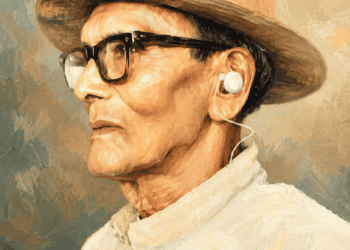

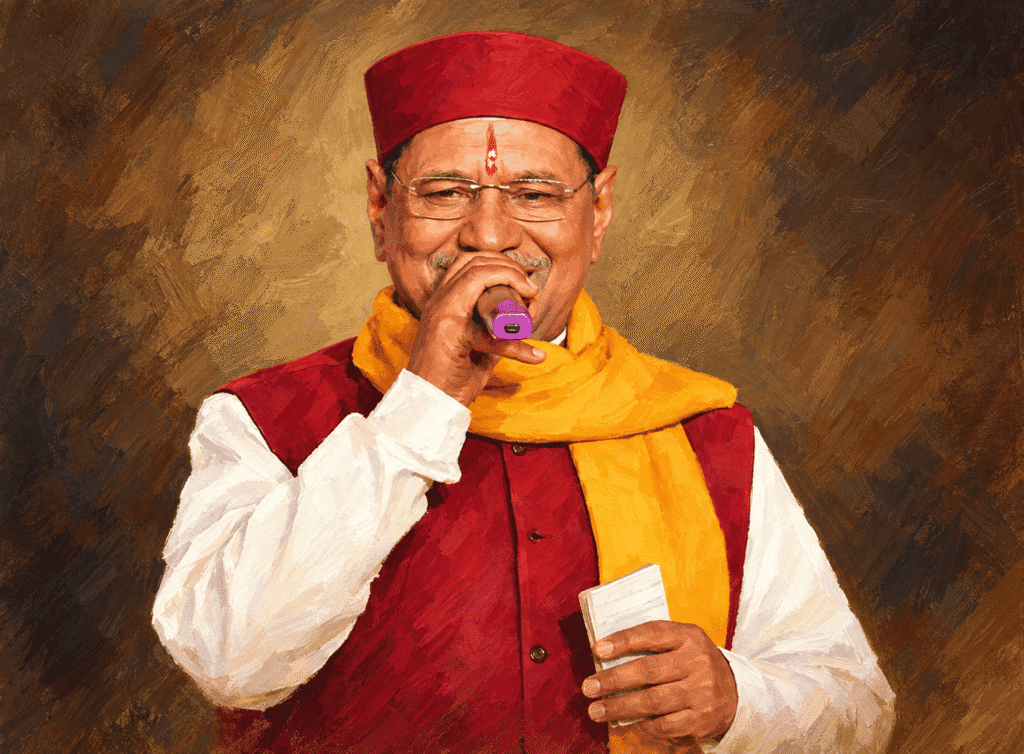
In the cultural landscape of Uttarakhand, few names resonate as deeply as Narendra Singh Negi. For decades, his voice has echoed across valleys, villages, and cities, carrying with it the lived experiences of the people of the hills. He is not just a singer, but a storyteller, a poet, and a chronicler of an entire region’s emotional and social history.
Early Life and Roots in the Hills
Narendra Singh Negi was born on 12 August 1949 in Pauri Garhwal, in present day Uttarakhand. Growing up in the Himalayan environment, he was surrounded by the rhythms of traditional life, seasonal festivals, and folk traditions. These early influences shaped his artistic sensibility.
His father served in the Indian Army, and Negi spent his formative years observing both discipline and the everyday struggles of mountain life. From a young age, he was drawn to music and poetry, often inspired by local singers and community gatherings. What makes his origin story meaningful is not just where he was born, but how deeply he remained connected to it. Even after gaining recognition, his creative focus never drifted away from the hills.
Beginning of a Remarkable Musical Journey
Negi’s professional journey began in the 1970s. His early recordings, especially the Garhwali Geetmala series, introduced a new wave of folk music to listeners. His first major album titled Burans marked a turning point, establishing him as a fresh and authentic voice in regional music. Over time, he went on to write, compose, and sing hundreds of songs. Many sources estimate his repertoire to exceed a thousand songs, covering a wide range of themes. Unlike commercial artists who chase trends, Negi built his identity by staying rooted in folk traditions while adapting them for contemporary audiences.
A Voice That Reflects Society
What sets Narendra Singh Negi apart is the depth of his songwriting. His music is not limited to romance or celebration. It reflects:
- migration from villages to cities
- struggles of women in the hills
- environmental concerns
- cultural identity and preservation
- political commentary
His songs often mirror real life situations. Many listeners believe that understanding Uttarakhand’s society becomes easier through his music. He has also used satire and subtle criticism in his songs, sometimes addressing political systems and governance. One of his most talked about songs, Nauchami Narayana, created widespread discussion for its bold commentary.
Contribution to Folk Music and Culture
Negi’s work goes beyond entertainment. He has played a crucial role in preserving the Garhwali language and musical traditions. He has performed in multiple folk styles such as Jagar, Mangal, and Jhumeila, keeping traditional forms alive while making them accessible to modern audiences.
His songs have also been featured in Garhwali films, and he has contributed as a composer and playback singer in regional cinema. During the Uttarakhand statehood movement, his music became a source of emotional strength and unity for people demanding recognition and identity.
Recognition and Legacy
Over the years, Narendra Singh Negi has received numerous honors for his contribution to folk music. He was awarded the Sangeet Natak Akademi Award in 2018, one of India’s most prestigious recognitions in the performing arts. He is often referred to as Garh Ratna and sometimes compared to global folk voices for his ability to blend music with social commentary. His concerts continue to attract audiences across generations, from elderly listeners who grew up with his music to young people rediscovering their roots.
Why Narendra Singh Negi Still Matters
In a rapidly changing world where local languages and traditions often fade, Narendra Singh Negi stands as a reminder of cultural continuity. His music has documented decades of change in Uttarakhand, from traditional village life to modern challenges.
He represents a rare kind of artist who does not just perform for an audience but speaks for them. Even today, his songs remain relevant because the emotions they carry are timeless. They speak of belonging, identity, struggle, and hope.
Conclusion
Narendra Singh Negi is more than a folk singer. He is a living archive of Uttarakhand’s culture and consciousness. His work proves that music can be both artistic and meaningful, personal yet collective. For many, his songs are not just melodies but memories. And for Uttarakhand, his voice continues to be the sound of its soul.