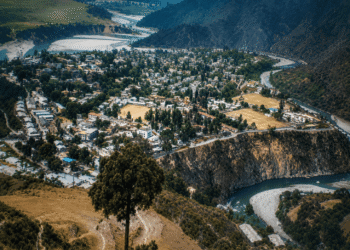

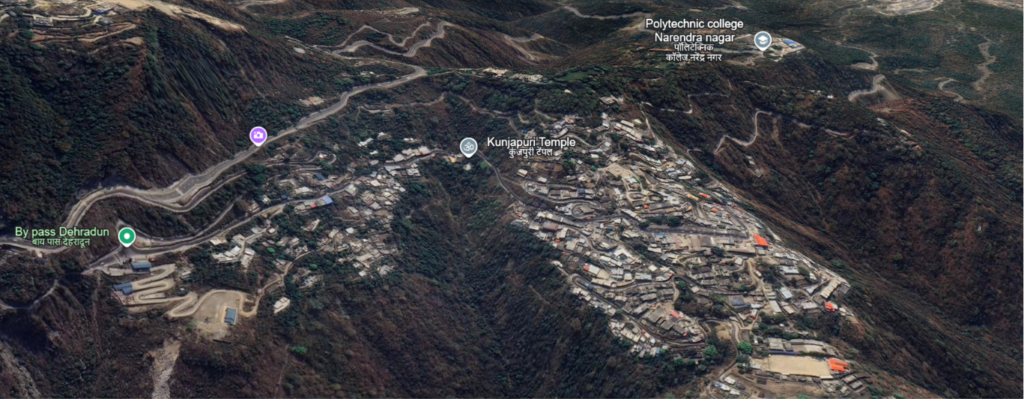
Nestled in the Tehri Garhwal district of Uttarakhand, Narendra Nagar is one of the state’s most charming yet lesser-explored hill towns. Perched at an elevation of around 1,020 metres (3,350 feet) above sea level, the town offers sweeping views of the Ganga Valley, Rishikesh, Haridwar, the Doon Valley, and the Himalayan ranges. While many visitors pass through on their way to higher Himalayan destinations, Narendra Nagar has a remarkable history that deserves equal attention.
The Origin of Narendra Nagar
Narendra Nagar was established in 1919 by Maharaja Narendra Shah, the ruler of the erstwhile Tehri Garhwal Kingdom. Before the town existed, the area was known as Odathali, a peaceful ridge valued for its pleasant climate and strategic location.
Maharaja Narendra Shah decided to shift the capital of the Tehri Kingdom from Tehri to Odathali. The new capital was carefully planned with administrative buildings, residential quarters, hospitals, roads, markets, and a royal palace. The town was then named Narendra Nagar after the Maharaja himself, continuing a tradition in the Tehri dynasty where rulers established towns bearing their names, such as Pratap Nagar and Kirti Nagar.
A Royal Legacy That Still Lives On
Unlike many hill stations that evolved naturally over time, Narendra Nagar was designed as a planned royal township. Several buildings constructed during the early twentieth century still stand today, reflecting the architectural style of the princely state.
The town’s most famous landmark is the Narendra Nagar Palace, once the royal residence of the Tehri rulers. During the British era, an additional section known as the Viceregal Palace (Annexe) was developed to accommodate visiting British Viceroys and distinguished guests.
Today, the palace has been transformed into the internationally renowned Ananda in the Himalayas, one of India’s best-known luxury wellness retreats. While its purpose has changed, much of its historic architecture has been preserved.
Mythological Connections
The region around Narendra Nagar is associated with ancient spiritual traditions. Local beliefs connect Odathali with Uddhava, the devoted companion of Lord Krishna, who is said to have performed meditation here. Traditions also associate the area with Sage Parashara, remembered in Indian literature for his contributions to astrology and Vedic knowledge.
Although these associations belong to local tradition rather than archaeological proof, they continue to form an important part of the area’s cultural identity.
Scenic Beauty Beyond the Crowds
One of Narendra Nagar’s greatest attractions is its panoramic landscape. On clear days, visitors can enjoy views of:
- The Ganga flowing through Rishikesh
- Haridwar spread across the plains
- The Doon Valley
- Snow-covered Himalayan peaks in the distance
Unlike many crowded hill stations, Narendra Nagar offers a peaceful atmosphere where forests, mountain air, and open viewpoints create a relaxing experience throughout the year.
Gateway to Yoga and Adventure
Narendra Nagar lies only about 15–20 kilometres from Rishikesh, making it an ideal stop for travellers seeking both mountain serenity and spiritual experiences.
Its location allows visitors to explore nearby attractions while staying away from the busy tourist crowds. The town also serves as a convenient point for journeys towards Chamba, Tehri, and the higher Garhwal Himalayas.
Places to Visit Around Narendra Nagar
Narendra Nagar Palace
The former royal palace remains the town’s most iconic structure and represents the grandeur of the Tehri Kingdom. Its architecture and hilltop setting continue to attract visitors from around the world.
Kunjapuri Temple
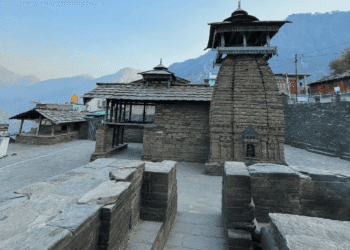
Located a short drive from Narendra Nagar, Kunjapuri Temple is one of Uttarakhand’s revered Shakti temples. It is especially popular for sunrise views over the Himalayan peaks.
Rishikesh
Just downhill from Narendra Nagar, Rishikesh offers yoga centres, river rafting, temples, suspension bridges, and the famous evening Ganga Aarti.
Tehri Region
Travellers can continue toward New Tehri and Tehri Lake, exploring the wider history and landscapes of the Garhwal region.
Culture and Local Life
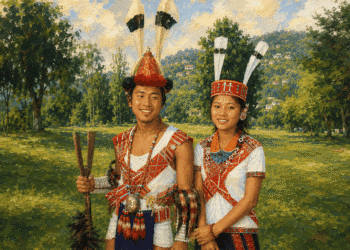
The people of Narendra Nagar primarily speak Garhwali and Hindi. Traditional Garhwali customs remain an important part of everyday life, reflected in local festivals, cuisine, folk music, and hospitality.
Agriculture, tourism, government services, and hospitality contribute significantly to the local economy, while the town’s peaceful environment continues to attract visitors interested in wellness and nature.
Best Time to Visit
Narendra Nagar is pleasant throughout most of the year.
- March to June: Mild temperatures and clear mountain views.
- July to September: Monsoon transforms the forests into lush greenery, though heavy rainfall is possible.
- October to February: Crisp weather with excellent visibility of the Himalayas.
Why Narendra Nagar Deserves More Attention
Narendra Nagar is more than a scenic stop near Rishikesh. It represents an important chapter in the history of the Tehri Kingdom, showcasing planned urban development during the princely era while preserving the natural beauty of the Garhwal Himalayas.
Its royal heritage, panoramic landscapes, proximity to major pilgrimage routes, and peaceful atmosphere make it one of Uttarakhand’s hidden historical destinations. For travellers interested in history, architecture, culture, or simply quiet mountain views, Narendra Nagar offers an experience that goes far beyond the usual tourist trail.