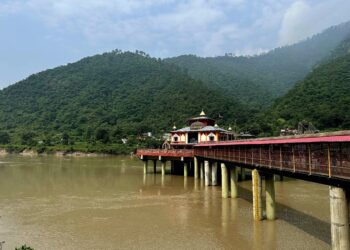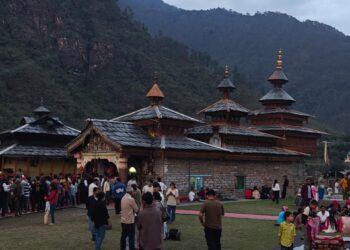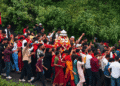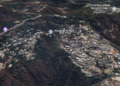

Nestled high in the Garhwal Himalayas of Uttarakhand, Surkanda Devi Temple is one of the state’s most revered pilgrimage destinations. Located near Kaddukhal, between Mussoorie and Rishikesh, the temple stands at an elevation of around 2,750 metres (9,020 feet), offering both spiritual peace and breathtaking Himalayan panoramas. For centuries, devotees have climbed this mountain to seek the blessings of Goddess Surkanda, while travellers have been drawn by the spectacular scenery surrounding the shrine.
Whether you visit for faith, history, or nature, Surkanda Devi Temple delivers an unforgettable experience.
The Significance
Surkanda Devi Temple is considered one of the sacred Shakti Peethas of India. According to Hindu beliefs, Goddess Sati sacrificed herself after her father, King Daksha, insulted Lord Shiva during a grand yagyan. Heartbroken, Shiva carried Sati’s body across the universe.
To restore cosmic balance, Lord Vishnu used his Sudarshan Chakra to divide Sati’s body into several parts. It is believed that Sati’s head (Sir) fell at this location. Many scholars believe the name “Surkanda” is derived from the words “Sar” (head) and “Khanda” (fragment), symbolising the place where the goddess’s head is believed to have fallen. This belief has made the temple an important centre of Shakti worship for generations.
History of the Temple
The exact date of the temple’s construction remains unknown, but it is regarded as an ancient shrine with centuries of religious importance. Over time, the temple has undergone several renovations while preserving its traditional Himalayan character.
Local communities have cared for the shrine for generations, ensuring that it continues to serve as both a place of worship and a symbol of Garhwal’s spiritual heritage. Today, thousands of pilgrims visit every year, especially during Navratri and Ganga Dussehra.
Temple Architecture
Unlike many grand temple complexes in India, Surkanda Devi Temple reflects the simplicity of Himalayan architecture. Constructed mainly with locally available stone and wood, the shrine blends naturally into its mountain surroundings.
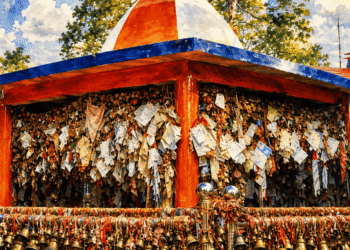
Inside the sanctum resides the sacred idol of Goddess Surkanda, while bells offered by devotees adorn the temple premises. The peaceful atmosphere, cool mountain breeze, and panoramic views create an environment that feels deeply spiritual.
A Journey Through the Himalayas
Reaching Surkanda Devi is an experience in itself.
The temple is located about 8 km from Dhanaulti, around 33–35 km from Mussoorie, and roughly 70 km from Dehradun. The traditional route begins from Kaddukhal, where visitors either trek uphill or use the modern ropeway.
The trek is approximately 2–3 kilometres, depending on the chosen path, and passes through forests of oak, rhododendron, and deodar. During spring, colourful blossoms brighten the route, while winter often blankets the landscape in snow.
For visitors who prefer a comfortable journey, the Kaddukhal–Surkanda Devi Ropeway, operational since 2022, reaches the hilltop in about 10 minutes, making the temple accessible to elderly pilgrims and families with children.
Views from the Summit
One of Surkanda Devi Temple’s greatest attractions is the spectacular Himalayan landscape visible from the summit.
On clear days, visitors can admire snow-covered peaks including parts of the Bandarpunch, Swargarohini, Chaukhamba, and Kedarnath mountain ranges. Dense forests, deep valleys, and distant villages stretch across the Garhwal region, making sunrise and sunset particularly memorable.
Photography enthusiasts often consider this one of the finest viewpoints in the Mussoorie–Dhanaulti region.
Major Festivals
The temple becomes especially vibrant during religious festivals.
Ganga Dussehra
This annual celebration attracts thousands of devotees from across Uttarakhand and neighbouring states. A large fair is organised around the temple, featuring devotional music, traditional rituals, and local culture.
Navratri
During both Chaitra and Sharadiya Navratri, special prayers, havans, and religious ceremonies are performed. Devotees believe that worship during these nine sacred days brings prosperity and spiritual strength.
Best Time to Visit
Surkanda Devi Temple welcomes visitors throughout the year, but every season offers a different experience.
- March to June: Pleasant weather with clear Himalayan views.
- July to September: Monsoon transforms the hills into lush green landscapes, though heavy rain may affect travel.
- October to November: Crisp weather and excellent visibility.
- December to February: Snowfall often turns the temple surroundings into a winter wonderland.
Travel Tips
- Carry warm clothing even during summer, as temperatures at the summit can be cool.
- Wear comfortable walking shoes if planning the trek.
- Start your journey early to enjoy clear mountain views.
- Respect local customs and help preserve the area’s natural beauty by avoiding plastic waste.
- Check weather conditions before travelling during the monsoon or winter seasons.
Nearby Attractions
A visit to Surkanda Devi Temple can easily be combined with several nearby destinations:
- Dhanaulti
- Kanatal
- Mussoorie
- Eco Park, Dhanaulti
- Tehri Lake
- Chamba (Uttarakhand)
These places together make an excellent weekend itinerary in the Garhwal Himalayas.
Conclusion
Surkanda Devi Temple is much more than a hilltop shrine. It represents centuries of faith, ancient mythology, Himalayan culture, and natural beauty. The peaceful atmosphere, magnificent mountain views, and spiritual significance create an experience that stays with visitors long after they leave.
Whether you arrive as a pilgrim seeking blessings or as a traveller exploring Uttarakhand’s hidden treasures, Surkanda Devi Temple offers a memorable journey where devotion and nature come together above the clouds.