
If you’ve ever sat in a Pahadi kitchen during a winter afternoon, chances are you’ve smelled something soft, nutty, and comforting simmering slowly in a brass pot. That aroma often belongs to jhangora; a humble grain that has quietly sustained the hills of Uttarakhand for centuries.
Today, when “superfoods” are trending in cities, the mountains smile quietly, because they’ve always known the power of jhangora.
What Exactly is Jhangora?
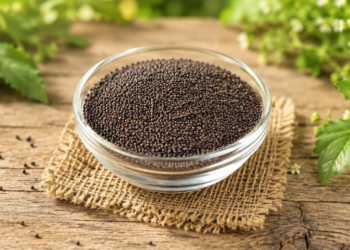
Jhangora, locally known by this name in Uttarakhand, is actually barnyard millet (Echinochloa frumentacea), a small, white, bead-like grain. It grows comfortably in the tough terrains of the Himalayas, at altitudes ranging roughly from 400 to 2100 meters, where many modern crops struggle. For generations, it has been more than just food, it has been a survival grain, deeply woven into the agricultural and cultural life of the hills.
A Grain Rooted in Tradition
Long before polished rice and packaged wheat flour reached remote villages, millets like jhangora were the backbone of everyday meals. In fact, studies show that barnyard millet has traditionally been cultivated and consumed in the hilly regions of Uttarakhand as part of local subsistence farming systems.
Its popularity wasn’t accidental. It required:
- Less water
- Minimal care
- Short growing cycles
For mountain farmers dealing with unpredictable weather and limited resources, jhangora was reliability itself.
Why the Hills Still Trust Jhangora
There’s a reason elders still say, “Jhangora pet ko halka aur tan ko mazboot rakhta hai” Modern nutrition science now backs what tradition already knew.
Jhangora is:
- Rich in fiber and minerals
- Low in carbohydrates with a low glycemic index
- Naturally gluten-free
This combination makes it especially useful for:
- Managing blood sugar levels
- Supporting digestion
- Maintaining a balanced diet
Per 100 grams, it contains essential nutrients like protein, iron, phosphorus, and fiber, making it a wholesome grain rather than just a filler food.
From Everyday Meals to Festive Bowls
What makes jhangora truly special is its versatility. It adapts to both simplicity and celebration.
1. Jhangora ki Kheer
The most loved preparation, slow-cooked with milk, sugar, and cardamom.
It’s not just a dessert; it’s nostalgia in a bowl.
2. Jhangora Khichdi
Light, easy to digest, and perfect for fasting days or recovery meals.
3. Savory Pahadi Dishes
In some regions, it’s used like rice, paired with local dals, greens, or chutneys.
Even today, jhangora ki kheer remains one of the signature dishes of Uttarakhand’s traditional cuisine.
The Comeback of a Forgotten Grain
For a while, jhangora faded into the background. With the rise of wheat and polished rice, many traditional grains were sidelined. But things are changing again.
With growing awareness around:
- Sustainable farming
- Indigenous foods
- Health-conscious diets
Jhangora is slowly returning to the spotlight, this time not as “poor man’s food,” but as a premium, conscious choice.
More Than Food (A Cultural Identity)
In the hills, jhangora is not just eaten, it is remembered.
It carries:
- The memory of terraced fields
- The rhythm of monsoon sowing
- The warmth of family kitchens
Every spoon of jhangora tells a story of resilience of people who adapted to the mountains, and in return, were nourished by them.
Final Thoughts
In a world chasing imported superfoods, jhangora stands quietly as a reminder:
sometimes, the most powerful nutrition lies closest to home. It doesn’t come in glossy packaging.
It doesn’t need marketing. It simply exists; pure, local, and time-tested, and maybe, that’s what makes it truly special.