

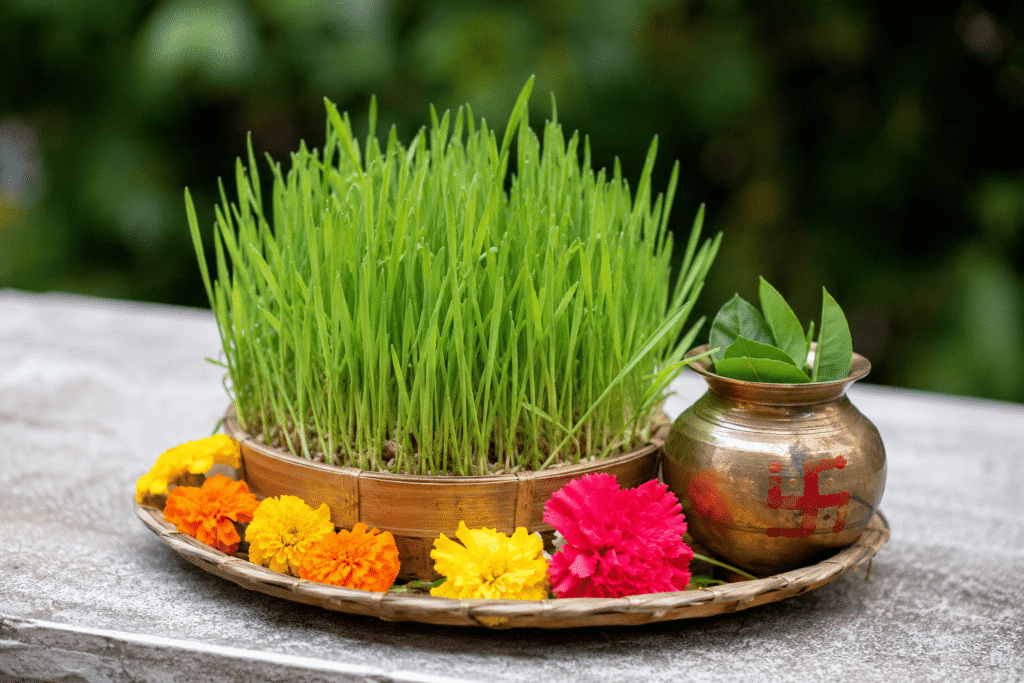
Among the many vibrant festivals celebrated in the Himalayan state of Uttarakhand, Harela stands out as a beautiful reminder of humanity’s bond with nature. More than just a religious or seasonal celebration, Harela reflects the region’s agricultural wisdom, environmental consciousness, and deep-rooted cultural traditions that have been passed down for generations.
Celebrated primarily in the Kumaon region and in parts of Garhwal (where it is also known locally as Mol Sankranti or Rai Sagran in some areas), Harela marks the arrival of the monsoon, the beginning of the sowing season, and prayers for prosperity, good harvests, and harmony between people and the environment. The festival has gradually become a symbol of tree plantation and ecological conservation across Uttarakhand.
What Does “Harela” Mean?
The word Harela is derived from the Kumaoni word for “greenery” or “green shoots.” It symbolizes fresh life, fertility, abundance, and hope. For communities that have depended on farming for centuries, the arrival of green crops has always represented prosperity and survival.
Unlike festivals that celebrate the harvest, Harela is observed at the beginning of the agricultural cycle, expressing gratitude to nature while praying for a successful farming season.
When Is Harela Celebrated?
The most widely celebrated Harela falls on the first day of the Hindu month of Shravan (Kark Sankranti), usually in mid-July, coinciding with the arrival of the monsoon in the Himalayan region.
Traditional references also mention two additional Harela observances:
- During Chaitra Navratri (March–April)
- During Sharad Navratri (September–October)
However, the Shravan Harela remains the most significant because it marks the commencement of the agricultural sowing season.
The Origins of the Festival
Harela evolved from the agricultural lifestyle of the Himalayan communities. Long before modern farming methods, local farmers observed natural signs to understand weather patterns and crop conditions.
Families sowed different grains indoors several days before the festival. The quality and growth of these tender shoots served as a traditional indicator of seed vitality and the coming agricultural season. Over time, this practical farming custom blended with religious beliefs, creating a festival that celebrates both nature and spirituality.
The festival is also associated with the divine union of Lord Shiva and Goddess Parvati, making it an auspicious occasion for seeking blessings for family well-being and prosperity.
How Harela Is Celebrated
Sowing the Seeds
Nine or ten days before Harela, families prepare small bamboo baskets, wooden trays, or earthen containers filled with clean soil. Seeds of several crops are sown together, traditionally including:
- Wheat
- Barley
- Maize
- Mustard
- Sesame
- Paddy
- Black gram (urad)
- Soybean or local hill grains (depending on the region)
The container is placed indoors away from direct sunlight and watered daily.
Within days, delicate green shoots emerge, symbolizing life, fertility, and abundance.
Religious Rituals
On the day of Harela:
- Families wake early and take a ritual bath.
- The green shoots are carefully harvested.
- They are offered to household deities.
- Elders place the shoots behind the ears or on the heads of younger family members as a blessing.
- Traditional prayers are recited for long life, wisdom, prosperity, and a fruitful year.
This ritual reinforces the importance of respecting elders, family unity, and gratitude toward nature.
Traditional Food
Like most festivals of Uttarakhand, Harela brings families together through festive meals.
Common preparations include:
- Puri
- Kachori
- Pua (sweet pancakes)
- Bada
- Seasonal vegetables
- Local lentil dishes
The meal reflects simplicity while celebrating the abundance expected from the coming agricultural season.
The Environmental Spirit of Harela
In recent decades, Harela has gained recognition as Uttarakhand’s Green Festival.
Government departments, schools, environmental organizations, village communities, and volunteers organize large-scale tree plantation drives during the festival.
The idea perfectly matches Harela’s original philosophy:
Human prosperity depends on the health of forests, rivers, soil, and biodiversity.
Thousands of saplings are planted across the state every year, making Harela one of India’s finest examples of combining traditional culture with modern environmental awareness.
Harela and Uttarakhand’s Farming Heritage
Life in the Himalayan villages has always revolved around agriculture.
Before irrigation systems and weather forecasting existed, people depended entirely on:
- Timely rainfall
- Healthy soil
- Good seeds
- Community cooperation
Harela reminds people that farming is not merely an occupation but a partnership with nature.
The festival also highlights the importance of conserving forests, as mountain agriculture depends heavily on healthy ecosystems that preserve water sources and fertile land.
Cultural Importance
Harela represents far more than agriculture.
It teaches:
- Respect for nature
- Gratitude toward the Earth
- Family togetherness
- Intergenerational traditions
- Sustainable living
- Community participation
Even people who have migrated away from Uttarakhand often celebrate Harela to stay connected with their roots and cultural identity.
Harela in Modern Times
Urbanization has changed lifestyles across Uttarakhand, yet Harela continues to evolve without losing its essence.
Today, celebrations include:
- Community plantation campaigns
- Environmental awareness rallies
- Cultural performances
- Folk songs
- School competitions
- Social media campaigns promoting greenery
Many families who no longer practice farming still sow symbolic seeds at home, preserving a tradition that connects children with their ancestral heritage.
Why Harela Matters Today
As climate change, deforestation, and environmental degradation become global concerns, Harela offers timeless lessons.
The festival reminds us that:
- Planting trees is an act of gratitude.
- Agriculture begins with healthy ecosystems.
- Culture and conservation can strengthen one another.
- Small traditions can inspire large environmental movements.
What began centuries ago as a farming ritual now serves as an inspiring model of sustainable living.
Interesting Facts About Harela
- Harela literally symbolizes green life and new beginnings.
- The festival marks the beginning of the monsoon sowing season in Uttarakhand.
- Green shoots grown before the festival are considered symbols of prosperity.
- Lord Shiva and Goddess Parvati are traditionally worshipped during Harela.
- The festival is celebrated in both Kumaon and parts of Garhwal, though local names and customs may vary.
- Tree plantation has become one of the defining features of modern Harela celebrations.
Conclusion
Harela is much more than a seasonal festival; it is a celebration of harmony between people and nature. It reflects the wisdom of the Himalayan communities, where every seed carries hope, every tree represents life, and every monsoon is welcomed with gratitude.
In an era when environmental conservation has become a global responsibility, Harela reminds us that sustainable living has long been embedded in Uttarakhand’s traditions. By honoring the Earth, nurturing greenery, and strengthening family bonds, this timeless festival continues to inspire generations to cherish both culture and nature.