
When people think of Uttarakhand’s cuisine, dishes like Aloo ke Gutke, Bhatt ki Chudkani, Kafuli, and Chainsoo often come to mind. However, behind the distinctive taste of many traditional Pahadi recipes lies a tiny ingredient that rarely gets the attention it deserves : Jakhiya (Cleome viscosa).
Known for its nutty aroma and crackling tempering, Jakhiya is more than just a spice. It represents the culinary heritage of the Himalayan region and has been a part of local kitchens for generations.
What is Jakhiya?
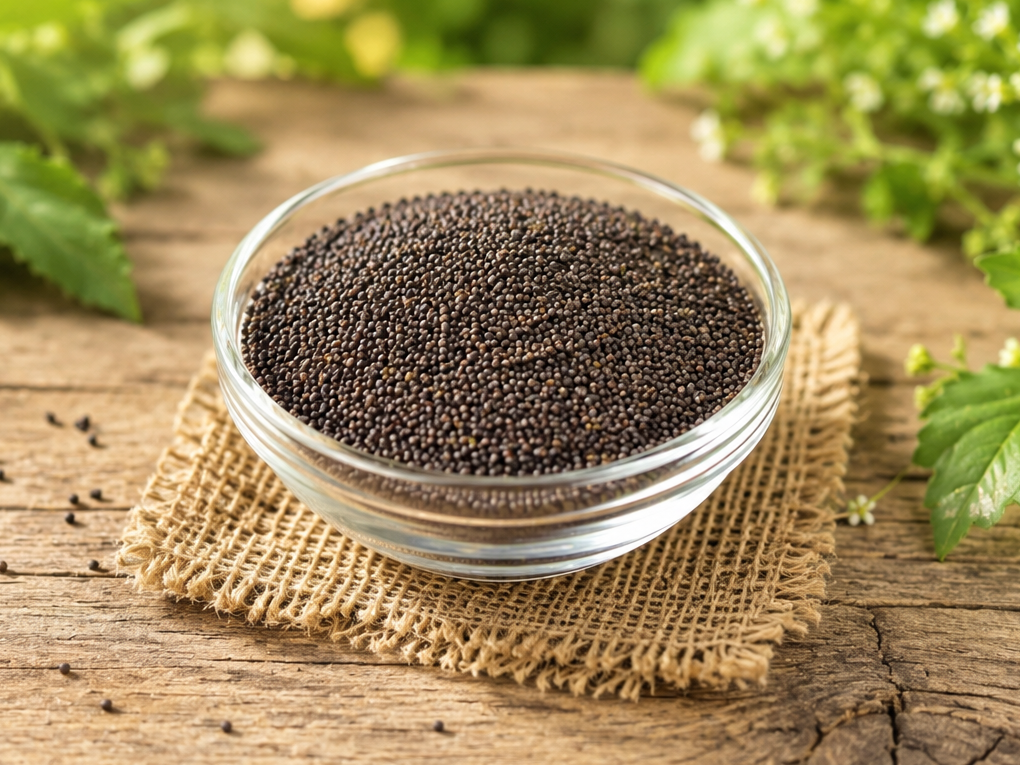
Jakhiya is the seed of the Cleome viscosa plant, an annual herb that grows naturally in the Himalayan foothills and several parts of India. In Uttarakhand, the seeds are harvested, dried, and used primarily for tempering (tadka).
Although the seeds are extremely small and dark brown to black in appearance, they produce a remarkable aroma when heated in oil. Unlike mustard or cumin seeds, Jakhiya develops a mild, earthy, and slightly nutty flavor that gives traditional dishes a unique regional identity.
A Spice Deeply Rooted in Uttarakhand
For centuries, Jakhiya has been an essential ingredient in Garhwali and Kumaoni households. Many families still prefer it over mustard or cumin while preparing everyday meals.
Its popularity stems from its ability to enhance simple dishes without overpowering their natural flavors. Whether it’s potatoes, leafy vegetables, lentils, or seasonal greens, a pinch of Jakhiya in hot mustard oil can completely transform the dish.
Because of this distinctive taste, Jakhiya has become one of the culinary symbols of Uttarakhand and is increasingly finding its way into kitchens across India.
How is Jakhiya Used?
The seeds are not consumed raw. Instead, they are added to hot oil at the beginning of cooking. As soon as the oil heats up, the seeds begin to crackle and release their characteristic aroma. This tempering forms the flavor base for many traditional recipes.
Some popular dishes that commonly use Jakhiya include:
- Aloo ke Gutke
- Kafuli
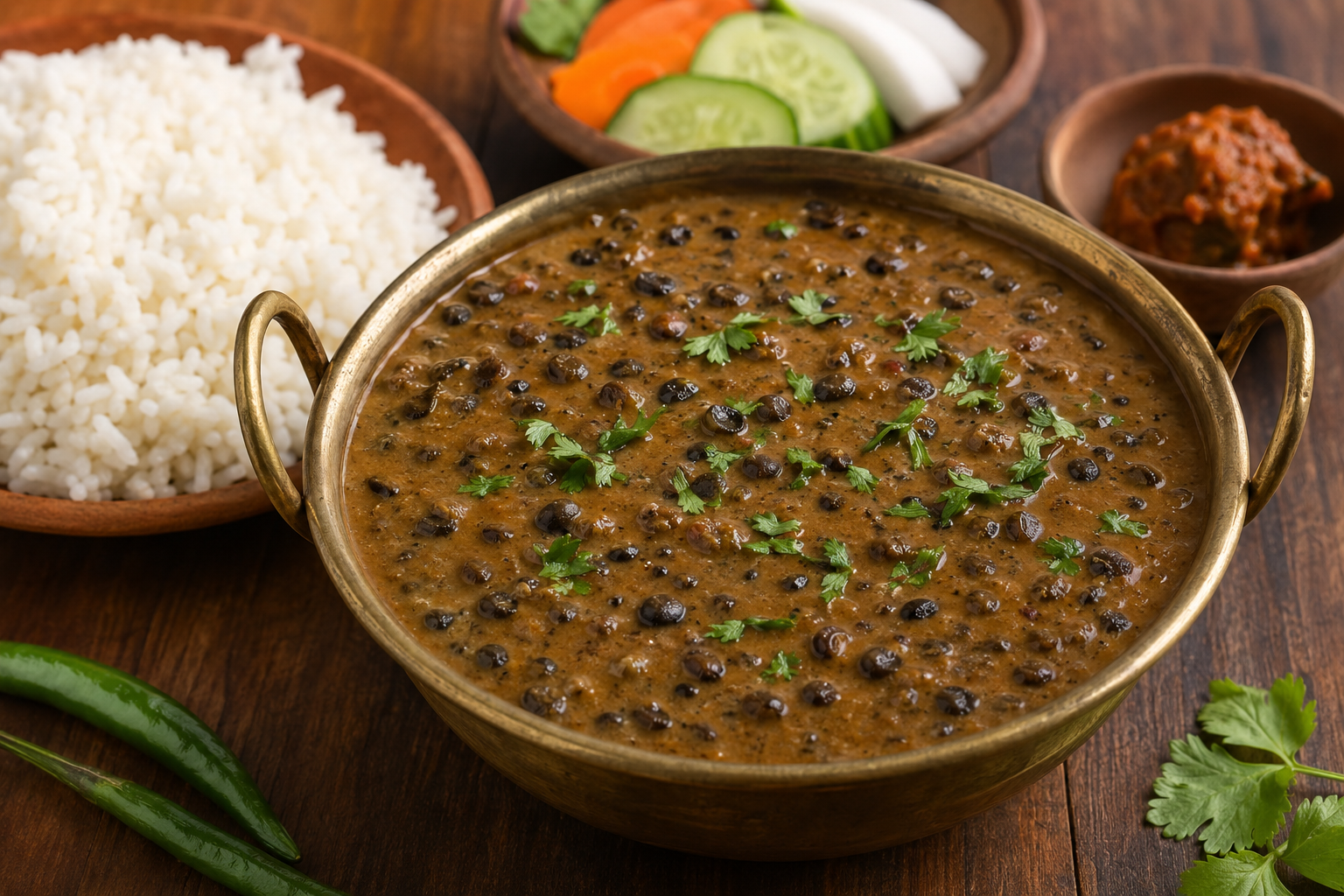
- Pahadi Dal
- Seasonal leafy vegetables
- Pumpkin and bottle gourd preparations
- Traditional mixed vegetable dishes
Only a small quantity is required, as the seeds are highly aromatic once tempered.
Nutritional and Traditional Significance
Scientific studies on Cleome viscosa indicate that the plant contains several naturally occurring compounds, including antioxidants and phytochemicals. In traditional practices, different parts of the plant have been associated with digestive support and other folk medicinal uses. However, these traditional uses should not be considered substitutes for medical treatment, as more clinical research is still needed.
Why Jakhiya is Becoming Popular Again
In recent years, interest in regional Indian cuisines has grown significantly. As more people explore authentic Himalayan recipes, Jakhiya has gained recognition beyond Uttarakhand.
Food enthusiasts and chefs appreciate it for several reasons:
- Its unique nutty flavor
- Distinctive crackling texture during tempering
- Ability to enhance simple home-cooked meals
- Strong connection to Himalayan culinary traditions
Today, Jakhiya is available through specialty food stores and online sellers, making it easier for people outside the Himalayan region to experience authentic Pahadi cooking.
Tips for Using Jakhiya
To get the best flavor:
- Heat mustard oil or any cooking oil until moderately hot.
- Add a small pinch of Jakhiya seeds.
- Let them crackle for a few seconds without burning.
- Immediately add vegetables or other ingredients.
Overheating can make the seeds bitter, so they should be tempered carefully.
Conclusion
Jakhiya proves that the smallest ingredients often leave the biggest impression. Though tiny in size, these seeds carry generations of culinary tradition and continue to define the authentic taste of Uttarakhand’s home cooking.
As regional Indian cuisines receive the recognition they deserve, Jakhiya stands out as one of the Himalayas’ most distinctive culinary treasures. Whether you’re preparing a traditional Garhwali meal or simply looking to explore new flavors, this humble spice offers an unforgettable taste of the mountains.